
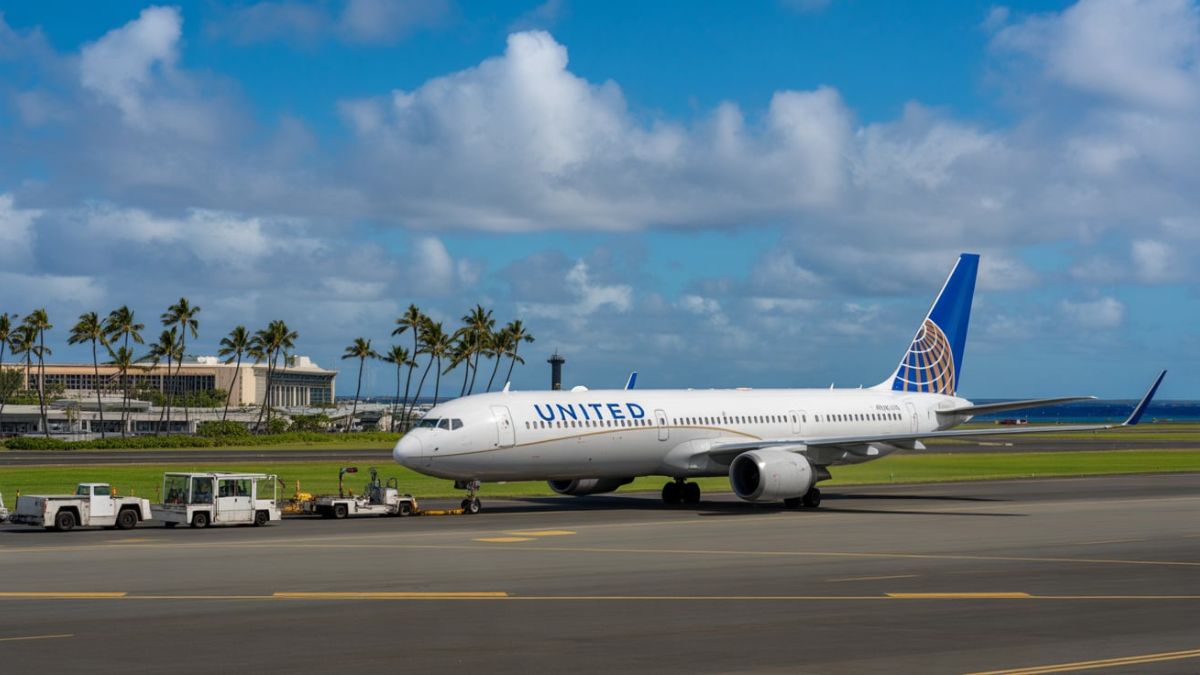
Air travel is usually smooth and predictable, but sometimes unexpected events change even the most carefully planned journeys. One such situation that caught public attention was the united christchurch sfo diverted honolulu incident. Travelers booked on a long-haul international flight suddenly found themselves landing in a completely different city than planned. Situations like this raise many questions for passengers, aviation enthusiasts, and the general public. Why do diversions happen? What goes on inside the aircraft and the cockpit during such moments? How are passengers cared for, and what can travelers learn from such experiences?
This article takes a detailed and easy-to-understand look at the united christchurch sfo diverted honolulu situation. The goal is to explain the possible reasons behind the diversion, describe how airlines manage these events, and help readers understand what such an experience feels like from a passenger’s point of view. By breaking down the topic into clear sections, this guide aims to be informative without being overwhelming, making it useful even for readers with no aviation background.
Table of Contents
Understanding the United Christchurch to San Francisco Route
Why This Route Matters
The flight between Christchurch, New Zealand, and San Francisco is a long and demanding international route. It connects the South Island of New Zealand to the west coast of the United States, covering thousands of kilometers across the Pacific Ocean. This route is important for tourism, business travel, and connecting passengers to other destinations within the United States.
Because of the long distance, flights on this route require careful planning. Fuel calculations, weather monitoring, aircraft performance, and crew scheduling are all handled with great precision. Any unexpected issue that arises mid-flight can have a significant impact, which is why diversions, while rare, are taken very seriously.
Aircraft and Crew Preparation
Flights like these are usually operated using wide-body aircraft designed for long-haul travel. These planes are equipped with advanced navigation systems, safety features, and communication tools. Pilots and cabin crew undergo specialized training to handle emergencies, medical situations, and operational challenges.
Even with all this preparation, the unpredictable nature of long-distance travel means that diversions can still occur. The united christchurch sfo diverted honolulu case is an example of how airlines rely on backup plans to ensure safety remains the top priority.
What Does It Mean When a Flight Is Diverted?
A flight diversion happens when an aircraft cannot continue to its planned destination and must land at an alternate airport. This decision is not taken lightly. Pilots work closely with airline operations teams and air traffic control to decide the safest and most practical option.
In the case of the united christchurch sfo diverted honolulu incident, Honolulu served as a logical alternate airport. It is a major hub in the Pacific region, equipped to handle large international aircraft and provide necessary support for passengers and crew.
Diversions can happen for several reasons, and understanding these reasons helps passengers appreciate why safety decisions sometimes disrupt travel plans.
Possible Reasons Behind the Diversion
Technical or Mechanical Considerations
One common reason for flight diversions involves technical or mechanical issues. Even a minor system warning can lead pilots to choose a precautionary landing. Modern aircraft are designed to be extremely safe, but aviation rules often require that certain alerts be checked on the ground rather than in the air.
In long-haul flights, being closer to a well-equipped airport like Honolulu makes it the safest choice. This is likely one of the considerations during the united christchurch sfo diverted honolulu event.
Medical Emergencies Onboard
Medical emergencies are another frequent cause of diversions. If a passenger or crew member experiences a serious health issue, pilots may decide to land as soon as possible to provide medical assistance. Aircraft carry basic medical equipment, but they are not hospitals, so reaching professional care quickly becomes the priority.
Weather and Environmental Factors
Weather plays a major role in aviation. Severe turbulence, storms, or unfavorable conditions at the destination airport can force a diversion. Over the Pacific, weather patterns can change quickly, making flexibility essential.
Operational and Safety Decisions
Sometimes diversions happen due to operational reasons such as unexpected airspace restrictions, fuel management considerations, or issues at the destination airport. In all cases, safety guidelines guide every decision.
Why Honolulu Was the Chosen Alternate Airport
Honolulu is one of the most important aviation hubs in the Pacific. Its location makes it a natural alternate airport for transpacific flights. The airport has long runways capable of handling large aircraft, experienced ground crews, and facilities to support international passengers.
During the united christchurch sfo diverted honolulu situation, choosing Honolulu likely ensured that passengers could disembark safely, receive assistance, and wait comfortably while the airline worked on next steps. The availability of maintenance services and accommodations also makes Honolulu a practical choice.
Passenger Experience During the Diversion
What Happens Inside the Cabin
When a diversion is announced, passengers often feel confused or anxious. Cabin crew play a crucial role at this point. They explain the situation as clearly as possible, reassure passengers, and ensure everyone follows safety procedures.
On long flights, passengers may have already spent many hours in the air, so a diversion can be physically and emotionally tiring. In the united christchurch sfo diverted honolulu case, passengers likely experienced mixed feelings, including relief at landing safely and frustration over delays.
Communication and Support
Airlines aim to keep passengers informed, though details may be limited at first. Once on the ground, staff usually provide updates, meal vouchers, hotel arrangements if needed, and rebooking options. The quality of communication can greatly influence how passengers remember the experience.
How Airlines Manage Diversions Behind the Scenes
Coordination With Ground Teams
A diversion sets off a chain of coordination. Ground teams at the alternate airport prepare for arrival, customs arrangements are considered, and maintenance crews stand by. All of this happens quickly and often without passengers realizing the complexity involved.
Crew Duty and Rest Rules
Pilots and cabin crew operate under strict duty time regulations. A diversion can affect whether the same crew can continue the flight or if a replacement crew is needed. This can influence how long passengers must wait before continuing their journey.
Rebooking and Logistics
Airlines must also manage aircraft schedules and passenger connections. Rebooking hundreds of passengers, arranging accommodations, and planning the next flight segment is a challenging task. The united christchurch sfo diverted honolulu event highlights how much work goes into minimizing disruption after an unexpected change.
Comparing Planned Flight vs Diverted Flight
The following table helps illustrate the difference between a normal Christchurch to San Francisco flight and one that is diverted to Honolulu.
| Aspect | Planned Route | Diverted Scenario |
|---|---|---|
| Destination | San Francisco | Honolulu |
| Flight Time | Direct long-haul | Shortened with interruption |
| Passenger Experience | Continuous journey | Unexpected landing and delay |
| Airline Operations | Routine scheduling | Emergency coordination |
| Support Services | Arrival at final hub | Alternate airport assistance |
This comparison shows how a single decision can change the entire travel experience.
Lessons Passengers Can Learn From Such Incidents
Travelers can take away several practical lessons from the united christchurch sfo diverted honolulu incident. First, flexibility is essential when flying long distances. Unexpected events can happen, even with the most reliable airlines. Second, travel insurance can provide peace of mind by covering extra costs caused by delays or diversions. Finally, staying calm and patient helps make the experience more manageable.
Understanding that diversions are usually made with safety as the top priority can also help passengers feel more confident in the decisions made by flight crews.
Broader Impact on the Aviation Industry
Safety Culture in Aviation
Incidents like this reinforce the aviation industry’s strong safety culture. Airlines prefer to divert rather than take risks. This approach has contributed to air travel being one of the safest modes of transportation.
Public Awareness and Transparency
When news of diversions spreads, it increases public awareness of how aviation works. Passengers gain insight into the challenges airlines face and the systems in place to handle them.
Conclusion
The united christchurch sfo diverted honolulu event serves as a clear example of how the aviation industry prioritizes safety above all else. While diversions can be inconvenient and stressful for passengers, they are made with careful consideration and professional judgment. By understanding why such decisions are made and how airlines handle them, travelers can approach air travel with greater confidence and patience.
Unexpected changes are part of long-distance journeys, especially across vast oceans. What matters most is that systems are in place to protect passengers and crew. Incidents like this remind us that behind every flight is a complex network of planning, training, and safety measures working together to ensure that, even when plans change, everyone arrives safely.
Frequently Asked Questions
What is the united christchurch sfo diverted honolulu incident?
The united christchurch sfo diverted honolulu incident refers to a United Airlines flight traveling from Christchurch to San Francisco that was redirected to Honolulu instead of continuing to its original destination.
Are flight diversions common on long-haul routes?
Diversions are not common, but they are more likely on long-haul routes due to the distance involved and the limited number of suitable alternate airports.
Do passengers receive compensation after a diversion?
Compensation depends on the reason for the diversion and airline policies. In many cases, airlines provide meals, accommodation, and rebooking assistance.
Is a diverted flight unsafe?
No, a diversion is usually a sign that safety procedures are working as intended. Pilots divert to ensure the safety of everyone onboard.
Can passengers choose not to continue the journey?
Passengers can sometimes choose alternative arrangements, but this depends on airline policies and ticket conditions.