
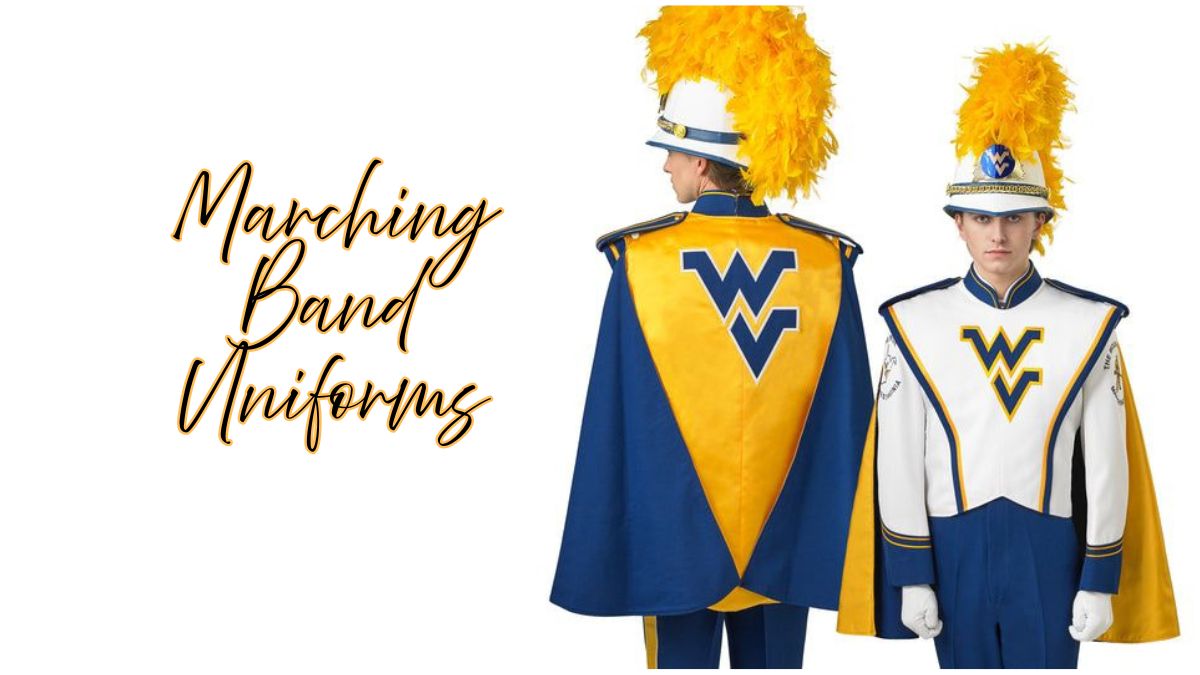
Marching band uniforms are much more than clothing worn during performances. They represent tradition, discipline, pride, and unity while also serving practical purposes that support musicians during long rehearsals and energetic performances. From high school football games to national parades and international competitions, marching band uniforms help create a powerful visual impact that matches the music being played. Over time, these uniforms have evolved in style, materials, and design, yet their core purpose has remained the same: to bring performers together as one synchronized and recognizable group.
This detailed guide explores every important aspect of marching band uniforms, including their history, components, materials, customization options, modern trends, maintenance, and buying considerations. The goal is to provide clear and easy-to-understand information for students, band directors, parents, and anyone interested in learning more about this iconic part of marching culture.
Table of Contents
The Historical Significance of Marching Band Uniforms
Marching band uniforms have deep historical roots that trace back to military traditions. In earlier centuries, soldiers wore matching uniforms so they could be easily identified on the battlefield. Military bands, which played music to signal commands and boost morale, adopted similar attire. These early designs strongly influenced the look of modern marching band uniforms.
As marching bands moved from military settings into schools, colleges, and community events, uniforms became more decorative and symbolic. Colors began to represent schools or organizations, while specific patterns and accessories reflected regional pride or institutional identity. Even today, many classic marching band uniforms still feature military-inspired elements such as structured jackets, bold buttons, and decorative braiding.
How Tradition Shapes Modern Designs
Although modern marching band uniforms often look more stylish and performance-focused, tradition still plays a major role. Many schools preserve signature colors, logos, and design features that have been used for decades. This connection to the past creates a sense of continuity and pride among band members and alumni, making the uniform more meaningful than a simple costume.
Core Components of Marching Band Uniforms
Marching band uniforms are made up of several key parts, each designed for both appearance and functionality. While styles vary widely, most uniforms include similar core elements that work together to create a polished and unified look.
The Uniform Jacket and Pants
The jacket is usually the most eye-catching part of marching band uniforms. It often features bold colors, decorative trim, and structured tailoring to maintain a sharp appearance during movement. Pants are designed to match the jacket and allow freedom of motion, especially for high-step marching and complex formations.
Headwear and Accessories
Hats, shakos, plumes, gloves, and sashes are common accessories that complete the uniform. These items add height, symmetry, and visual flair, making formations more impressive from a distance. While accessories may seem purely decorative, they are carefully designed to stay secure during active performances.
Materials Used in Marching Band Uniforms
The materials used in marching band uniforms play a crucial role in comfort, durability, and performance. Since band members often perform outdoors in varying weather conditions, fabric choice is extremely important.
Modern uniforms typically use synthetic blends that are lightweight, breathable, and moisture-resistant. These materials help performers stay cool during hot weather and dry during light rain. Older uniforms were often made from heavy wool, which looked impressive but could be uncomfortable and restrictive.
Comparing Traditional and Modern Fabrics
The table below highlights the key differences between traditional and modern materials used in marching band uniforms.
| Feature | Traditional Materials | Modern Materials |
|---|---|---|
| Weight | Heavy and thick | Lightweight and flexible |
| Comfort | Limited breathability | High breathability |
| Weather Resistance | Low | Moderate to high |
| Maintenance | Difficult to clean | Easier to wash and maintain |
| Durability | Long-lasting but stiff | Durable with flexibility |
This shift toward modern fabrics has significantly improved the marching experience, allowing musicians to focus more on performance and less on discomfort.
Customization and Identity in Marching Band Uniforms
Customization is one of the most exciting aspects of marching band uniforms. Schools and organizations use custom designs to express their identity and stand out during competitions and events.
Colors are often chosen to match school branding, while logos and emblems are added through embroidery or printing. Some bands even change uniform designs every few years to keep their look fresh and modern. This balance between tradition and innovation allows marching band uniforms to remain visually appealing and relevant.
Gender-Inclusive and Adaptive Designs
In recent years, marching band uniforms have become more inclusive. Many manufacturers now offer designs that fit a wide range of body types and gender expressions. Instead of strictly male or female cuts, uniforms are often designed with flexibility and comfort in mind, ensuring that every performer feels confident and respected.
Modern Trends in Marching Band Uniforms
Marching band uniforms have seen several modern trends that reflect changes in performance style and audience expectations. One major trend is the move toward modular uniforms. These designs allow bands to mix and match pieces, such as jackets and overlays, to create different looks throughout a season.
Another growing trend is the use of bold graphics and asymmetrical designs. These elements look especially striking during field shows, where visual storytelling is just as important as music. Some bands also incorporate lightweight athletic-style uniforms for certain performances, prioritizing movement and comfort without sacrificing visual impact.
Technology and Innovation in Design
Advancements in textile technology have introduced stretch fabrics, cooling panels, and stain-resistant coatings. These innovations help marching band uniforms last longer while keeping performers comfortable. Digital design tools also allow bands to preview and adjust uniform designs before production, reducing errors and ensuring satisfaction.
Practical Considerations When Choosing Marching Band Uniforms
Selecting the right marching band uniforms requires careful planning and budgeting. Band directors must consider factors such as cost, durability, sizing, and long-term maintenance. Since uniforms are often worn by multiple students over several years, they need to be sturdy and adaptable.
Sizing is particularly important. Adjustable features, such as expandable seams and flexible waistbands, help accommodate different body types and growth over time. This reduces the need for frequent replacements and makes uniforms more cost-effective.
Budgeting and Long-Term Value
While high-quality marching band uniforms can be expensive, they are a long-term investment. Cheaper options may save money initially but often wear out faster or lack comfort. Investing in well-made uniforms can reduce replacement costs and improve overall performance quality.
Care and Maintenance of Marching Band Uniforms
Proper care is essential to keep marching band uniforms looking their best. Regular cleaning, correct storage, and timely repairs can significantly extend the life of a uniform.
Uniforms should always be cleaned according to manufacturer guidelines, as improper washing can damage fabrics and decorations. After performances, airing out uniforms helps prevent odors and moisture buildup. Storing uniforms in garment bags protects them from dust and sunlight, preserving colors and materials.
Common Maintenance Challenges
Plumes, hats, and decorative trim often require special attention. These items are more delicate and may need professional cleaning or careful handwashing. Addressing small issues early, such as loose buttons or frayed stitching, prevents larger problems later.
The Role of Marching Band Uniforms in Performance and Confidence
Marching band uniforms have a powerful psychological effect on performers. Wearing a uniform creates a sense of belonging and professionalism, helping musicians feel more confident and focused. When everyone looks the same, individual differences fade, and the group functions as a single, cohesive unit.
Audiences also respond strongly to well-designed marching band uniforms. A polished appearance enhances the overall performance experience and leaves a lasting impression. This visual impact often influences judges in competitive settings, making uniforms an important part of a band’s success.
List of Key Benefits of Marching Band Uniforms
Marching band uniforms offer multiple benefits that go beyond appearance. These include creating a strong visual identity, improving group unity, supporting movement and comfort during performances, boosting performer confidence, enhancing audience engagement, and reinforcing tradition and pride within the organization. Each of these benefits plays a role in making marching band performances memorable and impactful.
Conclusion
Marching band uniforms are a vital part of the marching band experience, combining history, style, and practicality into a single powerful symbol. From their military-inspired origins to modern, performance-focused designs, these uniforms have evolved to meet the needs of today’s musicians while preserving tradition and identity. By understanding the components, materials, trends, and care requirements of marching band uniforms, bands can make informed decisions that enhance both performance and pride.
Whether viewed from the stands or worn on the field, marching band uniforms continue to play an essential role in bringing music to life through movement, color, and unity.
Frequently Asked Questions About Marching Band Uniforms
What are marching band uniforms made of today?
Modern marching band uniforms are typically made from synthetic fabric blends designed to be lightweight, breathable, and durable. These materials help performers stay comfortable in different weather conditions.
How long do marching band uniforms usually last?
With proper care, marching band uniforms can last anywhere from five to ten years. Longevity depends on material quality, frequency of use, and maintenance practices.
Are marching band uniforms customizable?
Yes, most marching band uniforms are highly customizable. Bands can choose colors, patterns, logos, and accessories to match their identity and performance style.
Why are marching band uniforms important for performances?
Marching band uniforms enhance visual appeal, promote unity, and boost performer confidence. They also help audiences easily identify and connect with the band.
Can marching band uniforms be reused by different students?
Yes, many marching band uniforms are designed for reuse. Adjustable features and durable materials make it easier for uniforms to fit different students over multiple seasons.