Cellulogia is a way of thinking about cellulite that combines science, lifestyle, and realistic self-care. Rather than treating cellulite as a cosmetic problem with a single fix, cellulogia invites readers to understand the biology behind skin dimpling, the lifestyle factors that influence it, and the practical steps anyone can take to improve skin tone, comfort, and confidence. In simple terms, cellulogia reframes cellulite from a source of shame into an understandable, manageable condition. This approach helps people make informed decisions about treatments, exercise, nutrition, and self-image.
Cellulite is extremely common and not inherently harmful, yet many people feel frustrated by its appearance. Cellulogia recognizes that frustration while offering concrete information and options. This article will explain how cellulite forms, who is most likely to have it, what evidence supports different treatments, and how to build a balanced plan that fits daily life. The goal is to provide clear, accessible guidance without overselling any single solution.
Table of Contents
The biology behind cellulite — a simple explanation
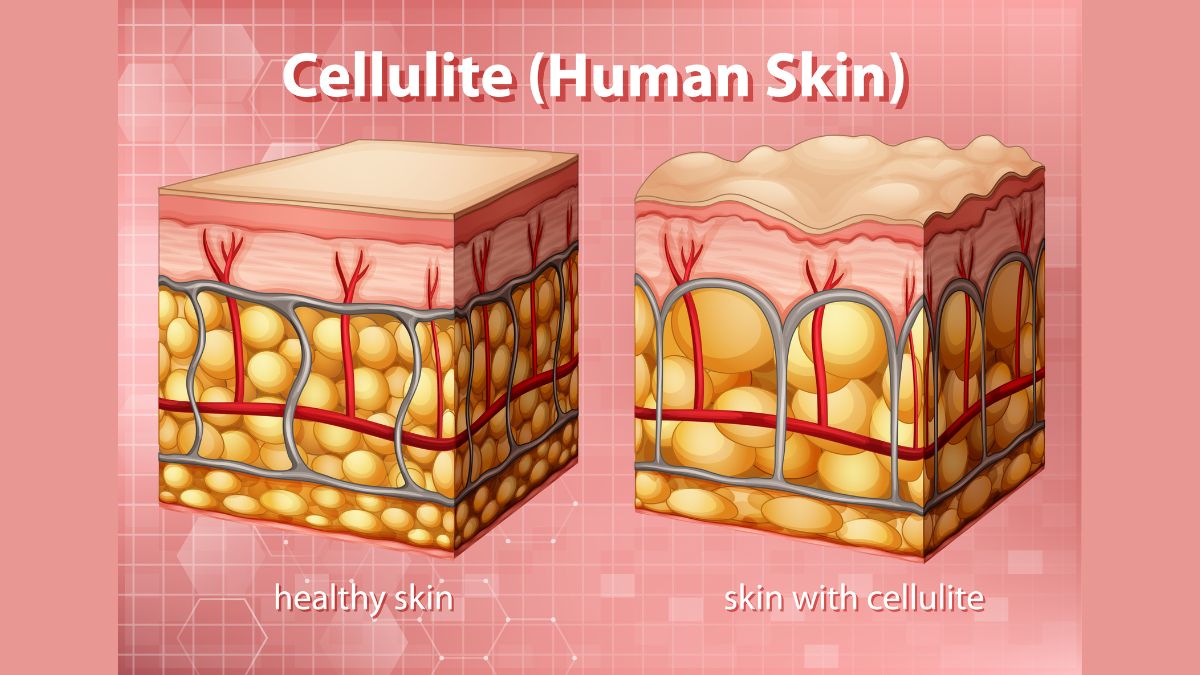
Cellulite appears when the connective tissue layer beneath the skin and the fat cells above it interact in a way that creates unevenness. Skin sits above a subcutaneous layer made of fat cells and fibrous connective tissue. In areas prone to cellulite, the fibrous bands tether the skin to deeper tissues and the subcutaneous fat pushes up in between those bands, producing a dimpled or lumpy look. Hormones, genetics, age, and the distribution of fat and connective tissue all play roles. Women are more likely to show cellulite because of differences in connective tissue structure and fat distribution compared with men.
Understanding this anatomy is central to the cellulogia approach because it clarifies why some treatments work for a while, why others do not, and why a complete cure is rarely realistic. For instance, targeted creams may temporarily tighten skin but cannot rearrange fibrous bands deep under the skin. Similarly, losing weight can reduce overall fat volume but does not guarantee elimination of cellulite because the underlying fibrous septae and skin elasticity also matter.
Hormones, genetics, and lifestyle — how they influence cellulite
Hormones such as estrogen and insulin affect how fat is stored and how connective tissue behaves, so hormonal shifts can impact the visibility of cellulite. Genetics determine basic skin structure and fat distribution, which is why cellulite often runs in families. Lifestyle factors, including physical activity, diet quality, hydration, and smoking, influence skin health and fat tissue; therefore, they shape how prominently cellulite appears. Cellulogia emphasizes addressing the modifiable lifestyle elements while acknowledging the unchangeable ones.
Evidence-backed strategies within cellulogia
Cellulogia encourages practical, evidence-based choices. This section outlines realistic strategies that can be mixed and matched based on personal priorities and health goals.
First, regular physical activity helps. Strength training and aerobic exercise build muscle tone and improve circulation, which can reduce the visual contrast between dimpled areas and surrounding tissue. Exercise also supports overall metabolic health, which indirectly benefits skin structure. Second, a balanced diet rich in whole foods supports healthy connective tissue. Foods providing protein, vitamin C, zinc, and collagen-supporting nutrients help maintain skin resilience. Third, hydration matters. Well-hydrated skin looks plumper and more even, so drinking water and using moisturizers that support barrier function can make a noticeable difference. Fourth, maintaining a healthy body composition reduces the volume of subcutaneous fat in many people, which can lessen cellulite visibility, though not always eliminate it. Fifth, avoiding smoking and managing chronic stress are important because both accelerate skin aging and weaken connective tissue.
These strategies are not a quick fix; they form the foundation of a cellulogia plan that improves skin appearance gradually and sustainably. Combining exercise, smart nutrition, hydration, and healthy lifestyle habits tends to deliver the most reliable, long-term improvements.
Topical treatments and devices — what they can and cannot do
Topical creams and at-home devices fill a middle ground in cellulogia. Some creams that contain caffeine, retinoids, or peptides can temporarily tighten the skin and slightly improve texture. These effects are modest and typically short-lived. Home devices such as mechanical massage tools or radiofrequency devices may boost circulation and skin tone and provide visible improvement with repeated use. Professional in-office procedures, including subcision, laser treatments, and certain injectable techniques, can produce more substantial results but come with higher cost, recovery time, and variable longevity.
Cellulogia recommends realistic expectations: topical and device-based treatments can help, especially when combined with lifestyle interventions, but none are guaranteed to remove cellulite completely. Choosing a treatment depends on desired results, budget, tolerance for downtime, and whether maintenance sessions are acceptable.
Creating a cellulogia plan — practical steps you can start today
A cellulogia plan is tailored, simple to follow, and sustainable. Begin with a baseline: take photos in consistent lighting to track progress and note which areas bother you most. Set realistic goals such as improving skin texture, increasing muscle tone, or simply feeling more comfortable in clothes. Next, adopt an exercise routine that includes strength training for the legs, glutes, and core along with cardiovascular work to support fat loss and circulation. A weekly plan might include three strength sessions and two cardio sessions, adapted to fitness level.
Dietary changes should focus on whole foods and consistent protein intake to support muscle and connective tissue. Include sources of vitamin C such as citrus fruits and peppers to support collagen synthesis. Add zinc through legumes and lean meats, and include healthy fats from nuts, seeds, and fatty fish for skin health. Hydrate consistently throughout the day. For skincare, use a nourishing moisturizer to support barrier function and consider nightly use of a retinoid if tolerated and appropriate, as retinoids can improve skin thickness over months.
If you are interested in professional treatments, consult a licensed dermatologist or plastic surgeon to discuss options and realistic outcomes. Many medical procedures work best when combined with lifestyle measures emphasized by cellulogia, and practitioners can help tailor a plan that balances cost, risk, and expected benefits.
Comparing common approaches — a quick reference table
Below is a simple table that summarizes how different approaches to cellulite compare on cost, invasiveness, expected improvement, and maintenance needs. This table is designed to help readers quickly see trade-offs when choosing treatments within the cellulogia framework.
| Approach | Typical cost range | Invasiveness | Typical improvement | Maintenance required |
|---|---|---|---|---|
| Lifestyle changes (exercise, diet, hydration) | Low | Non-invasive | Moderate over time | Ongoing |
| Topical creams and serums | Low | Non-invasive | Small, temporary | Regular use |
| Home massage and rollers | Low–moderate | Non-invasive | Small–moderate with consistent use | Ongoing |
| In-office laser or radiofrequency | Moderate–high | Minimally invasive to non-invasive | Moderate–significant | Periodic sessions |
| Subcision or injectable treatments | High | Minimally invasive | Significant for some people | May require follow-ups |
| Liposuction (for fat reduction, not cellulite) | High | Surgical | Variable; may not improve cellulite | Permanent fat removal but may reveal cellulite more |
Addressing myths and setting realistic expectations
Cellulogia challenges myths by separating marketing claims from likely outcomes. One common myth is that a single cream or gadget will eliminate cellulite forever. In reality, most single interventions produce temporary or modest change. Another myth is that cellulite only affects people who are overweight. In truth, people of all body types can have cellulite due to connective tissue structure and genetics. A third myth suggests that only cosmetic procedures work; while some professional procedures can improve appearance, the safest and most sustainable improvements usually come from combined approaches that include lifestyle measures.
Setting realistic expectations means deciding what outcome matters most. If the goal is smoother skin when wearing certain clothing, topical and device approaches combined with exercise might be enough. If the goal is a more dramatic, lasting change, professional treatments may be appropriate but require weighing cost and risk.
Emotional and social aspects — confidence, body image, and self-care
Cellulogia recognizes the emotional weight that body-image issues can carry. Feeling pressured by social media or beauty standards can lead to negative self-talk. A compassionate cellulogia plan addresses mental well-being along with physical measures. Simple practices such as focusing on body function—what your body can do rather than how it looks—mindful self-talk, and choosing clothing that you feel comfortable and confident in can be powerful. Seeking support from friends, therapists, or community groups can also help shift perspective and reduce shame.
Improving how you treat your skin and body as part of a broader self-care practice often yields benefits beyond appearance, including better sleep, reduced stress, and more consistent healthy habits. That broader benefit is central to cellulogia’s philosophy.
Sample 12-week cellulogia routine
A practical sample routine helps translate theory into action. In week one through week four, focus on habit building: start a thrice-weekly strength program, add two 20–30 minute cardio sessions, increase daily water intake, and prioritize protein and fruits and vegetables at meals. In week five through week eight, intensify strength workouts, add targeted glute and thigh exercises, and consider introducing a topical retinoid or peptide serum if suitable. From week nine through week twelve, evaluate progress through photos and functional markers such as improved muscle endurance; at this time decide whether to maintain this plan, seek a dermatologist consultation, or add a professional treatment if desired. Throughout the 12 weeks, maintain realistic expectations and celebrate small wins such as increased energy, better sleep, or improved clothing fit.
Conclusion: integrate knowledge into action
Cellulogia empowers people with accurate, practical information and a compassionate approach to an extremely common skin condition. It asks readers to combine science with simple daily habits, to set realistic expectations, and to prioritize overall health and confidence over perfection. Whether you choose lifestyle changes, topical care, home devices, or professional treatments, the most durable results typically come from an integrated plan that respects both biology and the realities of everyday life.
Start small, be consistent, and measure progress in ways that matter to you. Cellulogia is less about eliminating every dimple and more about helping you live confidently in your body while making informed choices that enhance skin health and well-being.
EAQs — quick answers about cellulogia and cellulite
What is cellulogia and how does it differ from the term cellulite?
Cellulogia is a holistic approach to understanding and managing cellulite that blends biological explanation with practical lifestyle strategies. While “cellulite” describes the physical appearance of dimpled skin, cellulogia is the mindset and plan for addressing it.
What causes cellulite to form?
Cellulite forms because of the interaction between subcutaneous fat, fibrous connective tissue, and the skin surface, influenced by hormones, genetics, and lifestyle factors.
What treatments are most effective according to cellulogia?
The most effective approach combines lifestyle changes—exercise, nutrition, hydration—with topical care and, if desired, professionally administered treatments. No single option guarantees complete removal.
What role does exercise play in reducing cellulite?
Exercise builds muscle and improves circulation, which can reduce the contrast between dimpled areas and surrounding tissue and improve overall skin tone.
What should I expect from professional procedures?
Professional procedures can produce significant improvements for some people, but they vary by technique, practitioner skill, and individual anatomy. Discuss risks, costs, and maintenance with a qualified clinician.
What daily habits support better skin appearance under cellulogia?
Daily habits that help include staying hydrated, eating nutrient-dense foods, engaging in regular physical activity, avoiding smoking, managing stress, and protecting skin from excessive sun exposure.