
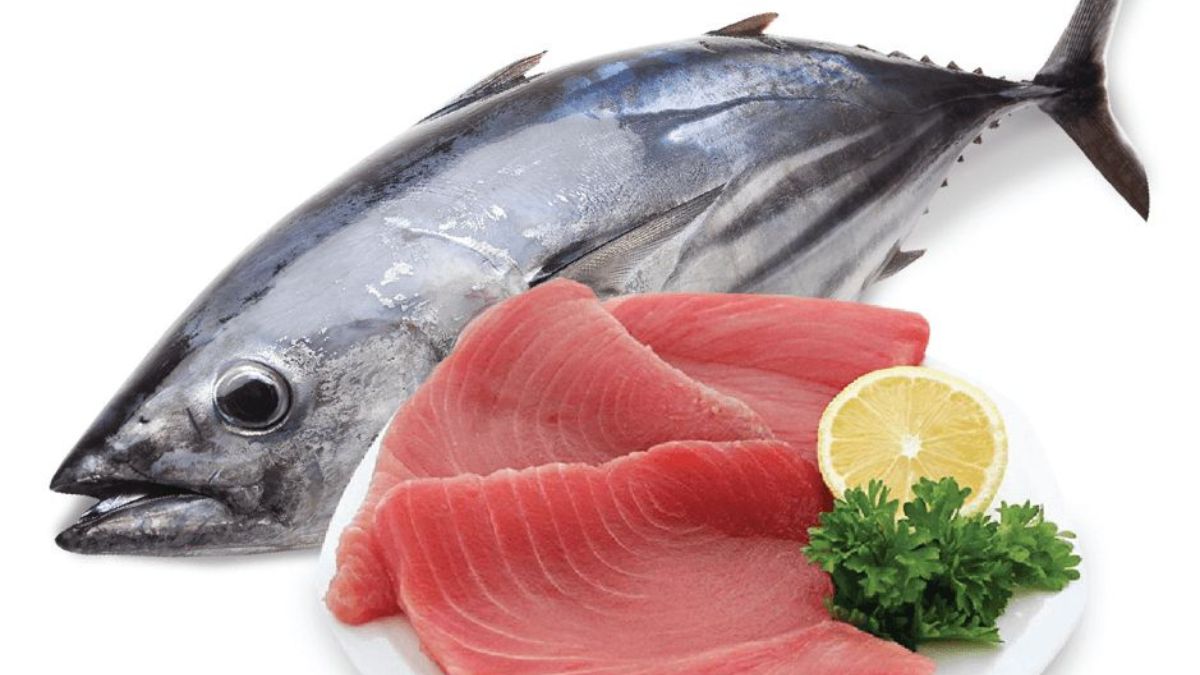
When you see the label “listao tuna” at a market or on a can, you are most likely looking at skipjack tuna, a small but enormously important species in the world’s seafood supply. Many people know more about bluefin or yellowfin because they command high prices and headlines, but listao tuna quietly feeds millions and supplies a huge portion of canned and fresh tuna sold worldwide. This long-form guide explores what listao tuna is, where it lives, how it is caught, its nutritional profile, its role in fisheries and the environment, and practical tips for buying, preparing, and enjoying it. Throughout the article I will use plain language to make the subject easy to follow, while including helpful lists, a comparison table, and FAQs to answer the questions most readers have.
Table of Contents
What is listao tuna?
The term listao refers to what English speakers call skipjack tuna, whose scientific name is Katsuwonus pelamis. Skipjack is one of the most abundant and widely caught tuna species in tropical and warm-temperate oceans. It has a streamlined body with four to six dark, horizontal bands on its lower sides, and it typically grows to about one meter in length. Skipjack, or listao, is the backbone of many commercial fisheries because it matures fast, schools in large numbers, and is amenable to many fishing methods including purse seines and pole-and-line.
Why listao tuna matters
Listao tuna matters for several reasons. First, it provides protein and livelihoods for coastal communities and supports a global canned-tuna industry. Second, because it is abundant and fast-growing, listao tends to be more affordable than larger tuna species, making it accessible to many people. Third, its life history and catch patterns have major implications for fisheries management and sustainability: because listao is heavily fished across wide ocean areas, managing its stocks responsibly is essential to preserve both the species and the communities that depend on it. These points are central to understanding why listao tuna appears so often on supermarket shelves and in restaurant kitchens.
Quick biological snapshot
Listao tuna is a pelagic, schooling fish found mainly in tropical and subtropical waters of the Atlantic, Indian, and Pacific Oceans. It feeds on small fish, crustaceans, and cephalopods and can live up to about 8–10 years in good conditions. Because it forms dense schools, listao is frequently targeted by large fishing operations that can catch many fish at once.
How listao tuna is caught and processed
Fishing methods for listao vary with region and market demand. Purse seining is one of the most common methods used to catch large schools at once; purse seine vessels surround a school with a large net and then close the bottom like a drawstring purse to capture the fish. Pole-and-line and handline fisheries still operate in some areas and are more selective, often resulting in lower bycatch. Increasingly, some fisheries use frozen-at-sea methods and individual quick freezing (IQF) to preserve quality for fresh loins and sashimi markets. The fishing method matters not only for quality and price but also for environmental impact, because some gears have higher unintended catch or greater ecosystem effects than others.
Nutrition and culinary uses
From a nutrition perspective, listao tuna is an excellent source of lean protein and provides important vitamins and minerals, including vitamin D, vitamin B12, and selenium. It also contains omega-3 fatty acids, though in different amounts compared to larger tuna species. Because listao tends to be smaller and younger than bluefin or yellowfin, its fat content is often lower, which influences taste and texture. In the kitchen, listao is versatile: it appears in canned form as the staple of sandwiches and salads, it can be grilled or seared as steaks, and in many countries it is the basis for smoked or cured preparations. For households seeking a balance of nutrition, value, and flavor, listao tuna is an attractive option.
Comparing listao to other tuna species
Below is a compact table that highlights how listao (skipjack) compares to a few other commonly known tuna species in traits that matter to consumers and fisheries.
| Trait | Listao (Skipjack) | Yellowfin | Albacore |
|---|---|---|---|
| Scientific name | Katsuwonus pelamis | Thunnus albacares | Thunnus alalunga |
| Typical size | Up to ~1 m | Up to ~2 m | Up to ~1.4 m |
| Common market form | Canned, loins, frozen | Fresh steaks, loins, canned | Canned (white tuna), steaks |
| Fat content | Lower | Moderate to high | Higher (white tuna) |
| Main fishing gears | Purse seine, pole-and-line | Longline, purse seine | Longline, pole-and-line |
| Typical uses | Canned, salads, cooked dishes | Sashimi, steaks, high-end markets | Canned premium, steaks |
This table draws on general species characteristics and market patterns for tuna. For scientific and fisheries categorizations, skipjack is widely listed as “listao” in French and “listado” in Spanish in international fisheries literature.
Buying and reading labels
When buying preserved or fresh tuna, reading labels and packaging clues can help you make informed choices. If a can or product says “listao” or “skipjack,” expect a milder, leaner fish often used in mainstream canned tuna. Look for information about the catch method—labels that say “pole-and-line” or “MSC-certified” signal more selective fishing methods or certification for sustainable practices. Frozen-at-sea and IQF labeling indicate better handling for quality. If you are concerned about mercury, note that smaller species like listao typically have lower mercury levels than large, long-lived tuna like bluefin. This makes listao a common recommendation for a safer, more affordable tuna option for families.
Sustainability: What to watch for
Sustainability for listao tuna is a mixed picture. On the one hand, listao is abundant and reproduces quickly, which makes it more resilient to fishing pressure than some slow-growing species. On the other hand, large-scale industrial fishing can still cause local depletion, disrupt food webs, and generate bycatch (non-target species). Fisheries management organizations monitor stocks and set catch limits or seasonal rules in some regions, but the effectiveness of management varies by oceanic region and governance. Choosing products with credible certification or buying from well-managed fisheries reduces the risk of contributing to unsustainable practices. International bodies and regional commissions also publish stock assessments and management advice that help governments and industry steer toward better practices.
How to cook and enjoy listao tuna
Cooking listao is straightforward. For grilled steaks, a quick sear over high heat locks in juices; for canned listao, recipes that combine the fish with fresh vegetables, herbs, and a tangy dressing make for satisfying, quick meals. In regions where listao is a culinary mainstay, people prepare it in stews, curries, or cured forms that highlight its firm texture and mild flavor. Here is a useful short list of serving ideas written in sentence form so it reads as continuous guidance rather than a bullet list:
- Prepare a warm salad by searing a listao loin and serving it on a bed of leafy greens with citrus and olives.
- Use canned listao as a protein-rich filling in sandwiches and flatbreads with crisp vegetables and a yogurt-based sauce.
- Mix flaked listao into steamed rice or noodle dishes to add protein and subtle umami without overpowering the dish.
- Try a simple marinade of soy, garlic, and lemon before grilling small listao steaks to boost flavor quickly.
These approaches showcase the versatility of listao across cuisines and budgets.
Economic and social importance
Listao supports a huge commercial sector. In many tropical countries, catching, processing, and canning listao provide jobs that are central to local economies. Because listao is relatively affordable and stable in supply, it is often a pillar of food security in coastal communities and a major export product in others. For consumers, listao is often the first introduction to tuna, whether in a school lunch sandwich, a local canned-tuna brand, or a family meal. The social value of this species is therefore as important as its biological and market roles.
Storage and safety tips
Proper storage matters to keep listao safe and tasty. Fresh loins should be kept refrigerated and used quickly, or frozen if you plan to store them for weeks. Canned listao should be stored in a cool, dry place and consumed before the “best by” date. When cooking, ensure tuna reaches a safe internal temperature if you are not consuming it raw; for canned products, follow label instructions. If you are pregnant or serving children, consider choosing smaller tuna species like listao more often, since they are usually lower in mercury compared with larger predatory tunas.
Table: Quick buying checklist
| What to check | Why it matters |
|---|---|
| Label: species name (listao/skipjack) | Confirms the type of tuna and typical flavor/fat |
| Catch method (pole-and-line, purse seine, longline) | Indicates selectivity and potential bycatch |
| Certification (MSC, Friend of the Sea) | Suggests environmental oversight |
| Frozen-at-sea / IQF | Better quality and texture preservation |
| Origin / region | Management and stock status vary by ocean |
This checklist is a short guide to help shoppers make practical, sustainable choices.
Conclusion
Listao tuna is a practical, nutritious, and globally important fish that often goes unnoticed behind flashier tuna species. Because it is abundant, adaptable to many culinary uses, and economical, listao plays a vital role in feeding people and supporting coastal economies. Whether you encounter it labeled as listao in a European market or as skipjack in an international fishery report, recognizing what makes this fish unique—its biology, fishing methods, nutrition, and sustainability considerations—helps you make informed choices as a consumer. By choosing responsibly sourced listao and preparing it with simple, fresh ingredients, you can enjoy a tasty, affordable protein while supporting better fishing practices.
FAQs
What is listao tuna?
Listao tuna is the French and regional name for skipjack tuna (Katsuwonus pelamis), a widely caught, relatively small tuna species that appears commonly in canned and fresh forms.
What makes listao different from other tunas?
Listao is generally smaller and leaner than yellowfin or albacore, which affects flavor and fat content. It is also one of the most abundant commercial tuna species and is often more affordable.
What are common uses for listao tuna?
Listao is commonly canned, used in sandwiches, salads, rice dishes, and sometimes seared as small steaks; it is a versatile and popular choice for everyday meals.
Is listao tuna sustainable?
Sustainability depends on where and how it is caught. Because listao reproduces and grows quickly, it is more resilient than some other tuna species, but responsible management and selective fishing methods are still necessary to avoid local impacts. Look for certified or well-documented sources.
How should I store listao tuna?
Fresh listao should be refrigerated or frozen promptly; canned listao stores well in a pantry but follow the “best by” date. For raw consumption, ensure proper handling and sourcing.